Does ADHD Get Worse With Age: Why It Can Feel Harder
If you're an adult living with ADHD, you might have the unsettling feeling that your symptoms are becoming more challenging over time. You’re not alone in wondering, does ADHD get worse with age? While it's a common experience, the answer isn't a simple yes or no. Often, it’s less about the condition itself worsening and more about how it interacts with the growing complexities of adult life. This guide offers a clear lifespan perspective—covering stress, hormonal shifts, and new responsibilities—plus practical steps to regain clarity. If you want a structured way to reflect as you read, you can explore our ADHD assessment tool. This article is for education and self-understanding, not a diagnosis or medical advice.
Why ADHD Symptoms Can Feel More Intense in Adulthood
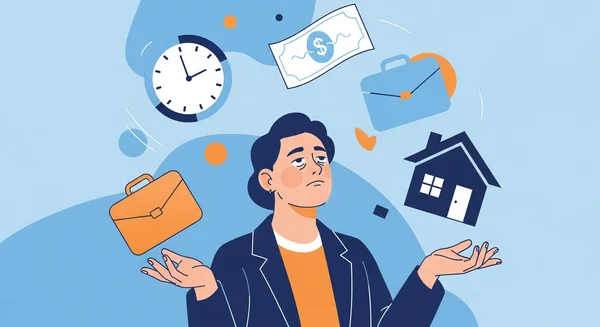
The feeling that your ADHD is intensifying is valid, but it’s often a shift in perception and impact rather than a fundamental change in your brain. When people ask does adhd get worse with age, what they’re often noticing is that adult life removes supports and adds competing demands.
The Shift from External to Internal Structure
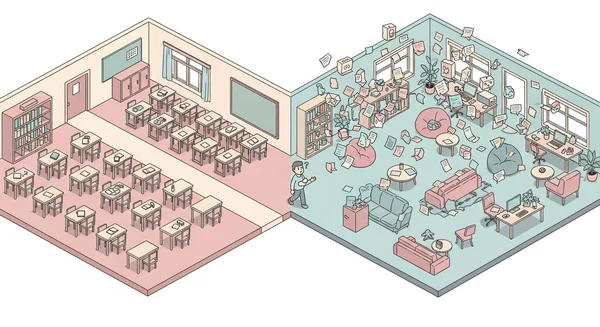
Think back to your school days. You had teachers setting deadlines, parents reminding you of appointments, and a structured day planned for you. This external framework, while perhaps imperfect, helped manage many executive function challenges.
In adulthood, that structure vanishes. Suddenly, you are solely responsible for managing work projects, paying bills, scheduling appointments, and maintaining a home. This demand for self-generated structure can make underlying ADHD challenges feel significantly more overwhelming.
When Old Coping Mechanisms No Longer Suffice
Perhaps you developed coping strategies in your youth—like relying on last-minute adrenaline to finish assignments. While these might have worked for a single class project, they often fail under the weight of adult responsibilities.
A high-pressure job, parenting, and financial management involve long-term planning and sustained effort. When your old tricks no longer work, it can feel like your ADHD has suddenly taken a turn for the worse. In reality, the demands have simply outgrown your existing toolkit.
A Visual Timeline: How ADHD Challenges Evolve from Childhood to Adulthood
To better understand this shift, it helps to see it laid out. The challenges you face with ADHD don't appear out of nowhere; they transform as your environment and responsibilities change. The infographic below illustrates this common journey.
What Key Factors Make Adult ADHD Symptoms Change Over Time?
If you’re asking does adhd get worse with age, it helps to look at the real-world drivers that can amplify symptoms. Several factors can influence how ADHD shows up as you get older, and they’re often changeable once you can name them.
The Impact of Chronic Stress and Burnout
Adulthood is often synonymous with stress. Juggling a career, relationships, and personal goals can create a constant state of pressure. For a brain with ADHD, chronic stress is like fuel on a fire. It depletes your executive function resources, making it harder to focus, organize, and regulate emotions.
Consequently, what might have been manageable distractibility in your 20s can feel like debilitating brain fog when you're facing burnout. This is a key reason why ADHD can get worse with stress.
Hormonal Shifts: A Closer Look at Perimenopause and Menopause
For many women, hormonal fluctuations play a major role in ADHD symptoms. Estrogen is linked to dopamine and norepinephrine—neurotransmitters that support focus and executive function.
As estrogen levels decline during perimenopause and menopause, many women report a noticeable escalation in ADHD symptoms. This can feel like a sudden and confusing change, directly connecting to whether ADHD gets worse with age for women and whether ADHD gets worse with menopause.
The Compounding Effect of Untreated or Undiagnosed ADHD
If your ADHD was never diagnosed or properly supported, you may have spent years navigating life with fewer tools than you deserved. Over time, this can lead to compounding issues such as chronic low self-esteem, anxiety, or depression.
The accumulated effect of “just trying harder” can mean you’re not only dealing with ADHD, but also the emotional fallout of years of friction. This is one reason why ADHD can get worse without treatment, as secondary effects build up.
How to Gain Clarity on Your Personal Symptom Patterns
Understanding the “why” is empowering, but the next step is to connect these ideas to your own life. Clarity comes from moving from general knowledge to self-awareness—so you can choose strategies that fit your patterns.
Your Quick Resonance Checklist: Common Adult ADHD Challenges
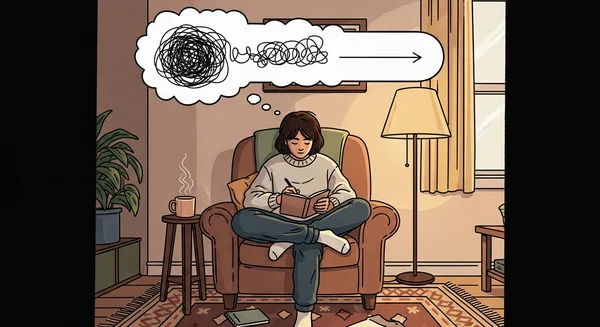
Does any of this sound familiar? This isn't a test—just a moment for reflection. See how many of these challenges resonate with you:
- Feeling constantly overwhelmed by your to-do list.
- Starting multiple projects but struggling to finish any of them.
- Experiencing intense emotional reactions to minor setbacks.
- Forgetting appointments or deadlines, despite trying to remember.
- Feeling a persistent sense of underachievement, regardless of actual success.
- Struggling to relax or “switch off” your brain, even when exhausted.
How Tracking Symptoms Can Help You Find Your Patterns
If you found yourself nodding along, you’re starting to see your patterns. Tracking these experiences helps you move beyond a vague feeling of being overwhelmed and identify specific triggers.
For example, you might notice your focus is worse after poor sleep, during certain parts of your menstrual cycle, or when facing a particular type of deadline. This kind of data can be useful for you—and for any professional you may consult.
A Structured Option: The ADHD Assessment as a Guided Journal
If you want more structure, you can use the ADHD Assessment as a guided journal rather than a pass/fail result. It’s designed to help you organize observations about attention, executive function, and daily impact. Map your patterns with the ADHD assessment.
Disclaimer: This is an educational tool for self-exploration, not a diagnosis. Please share your reflections with a qualified healthcare professional if you want clinical guidance.
Can ADHD Symptoms Also Improve With Age?
Yes. Even if it sometimes feels like does adhd get worse with age is the only story, adulthood can also bring stability, self-knowledge, and better-fitting environments. Many adults find their symptoms become less disruptive over time—especially once they build support systems that match how their brain works.
The Power of Self-Awareness and Maturity
With age comes experience. Over the years, you learn more about how your brain works. You may recognize personal triggers, understand your limits, and develop more self-compassion.
This maturity can help you stop fighting your brain and start working with it. You might learn you need a quiet environment to focus or that breaking tasks into tiny steps is essential for getting started.
Building a Life That Aligns With Your Brain
One advantage of adulthood is having more control over your environment. Unlike in childhood, you can choose a career, a partner, and hobbies that align with your strengths.
You might thrive in a fast-paced, creative job that would have been painful in a rigid routine. By designing a life that plays to your strengths, ADHD can feel less like a liability—and sometimes even like an asset.
Your Path Forward: Practical Steps for Managing Adult ADHD
Understanding that your ADHD experience is changing is the first step. Next is deciding what to do when symptoms feel louder than usual. Small, practical actions can reduce pressure quickly while you build longer-term supports.
What Are the First Steps When Symptoms Feel Unmanageable?
If you're feeling overwhelmed, start here. Don’t try to fix everything at once.
- Acknowledge Without Judgment: Your struggles are real. Give yourself credit for what you’ve carried.
- Identify One Pain Point: Choose the single biggest challenge right now—missed deadlines, household chaos, or emotional reactivity.
- Externalize Everything: Get tasks out of your head and into a system (calendar, reminders, to-do lists). Your brain is for ideas, not storage.
- Talk to Someone: Share what you’re going through with a trusted person. Naming it can reduce the shame and isolation.
When and How to Seek Professional Guidance
Self-help is powerful, but it has limits. Consider seeking professional support if:
- Symptoms consistently interfere with work, home, or relationships.
- You’re experiencing significant emotional distress, such as persistent anxiety or depression.
- Your own strategies aren’t making enough of a difference.
A qualified professional—such as a psychiatrist, psychologist, or therapist who works with adult ADHD—can provide evaluation, therapy options, and treatment planning.
Conclusion
So, does adhd get worse with age? Often, what changes most is your context: more responsibilities, fewer built-in supports, and higher executive-function demands. The good news is that context can be shaped. When you identify stressors, track patterns, and build supports that match your brain, symptoms can feel more manageable—and sometimes improve.
If you’d like a structured way to summarize what you’ve noticed, you can use the ADHD assessment as a guided journal. For any concerns about diagnosis or treatment, consult a qualified healthcare professional.
Frequently Asked Questions
What's the difference between worsening ADHD symptoms and normal aging?
Normal aging can involve occasional memory lapses, like forgetting a name or where you put your keys. Worsening ADHD symptoms are typically more pervasive and affect executive functions such as planning, prioritizing, time management, and emotional regulation—beyond typical age-related forgetfulness.
Can ADHD suddenly get worse?
It can feel sudden, especially during major life changes. A new high-pressure job, becoming a parent, a major hormonal shift (like perimenopause), or a period of sustained stress can make symptoms more visible and harder to manage—even if ADHD itself hasn’t “changed overnight.”
At what life stage are ADHD symptoms often reported to be at their peak?
Symptoms often feel most challenging during life transitions when executive demands spike. Common examples include leaving a structured school environment, starting a demanding job, parenting, and hormonal changes such as perimenopause.
How does sleep quality impact the severity of ADHD symptoms?
Poor sleep can worsen inattention, impulsivity, and emotional dysregulation. At the same time, ADHD can make it harder to fall asleep due to a racing mind or difficulty winding down. This can create a cycle where sleep problems and symptoms reinforce each other.
How do symptoms of ADHD and anxiety overlap in adults?
Both ADHD and anxiety can involve restlessness, difficulty concentrating, and feeling overwhelmed. A helpful distinction is the driver: anxiety-related concentration issues are often fueled by worry and intrusive thoughts, while ADHD-related difficulties are more often tied to regulating attention, filtering distractions, or initiating tasks. They also commonly co-occur.