Free ADHD Assessment Online: Reliable Self-Screening?
Have you found yourself wondering if the challenges you or a loved one face with focus, organization, or impulsivity could be signs of ADHD? In a world full of information, it’s natural to turn to the internet for answers. Free online ADHD assessments often appear to be a quick and convenient first step. But can you trust the results they provide?
This guide will help you understand what a free online ADHD assessment can—and cannot—do. We'll explore their reliability, their limitations, and when it’s time to seek deeper, more personalized insights. Understanding the difference between a simple screener and a comprehensive evaluation is the key to getting the clarity you deserve. For a reliable starting point, you can always explore a science-backed online ADHD assessment designed for adults, teens, and children.
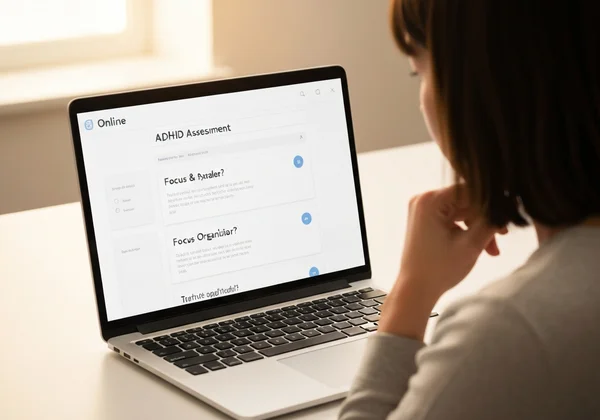
What is a Free Online ADHD Self-Assessment?
A free online ADHD self-assessment is typically a questionnaire designed to help you identify symptoms that may be associated with Attention-Deficit/Hyperactivity Disorder. Think of it as a preliminary check-in, not a final verdict. These tools are designed to be accessible and easy to use, giving you a private way to explore your concerns without any initial commitment or cost.
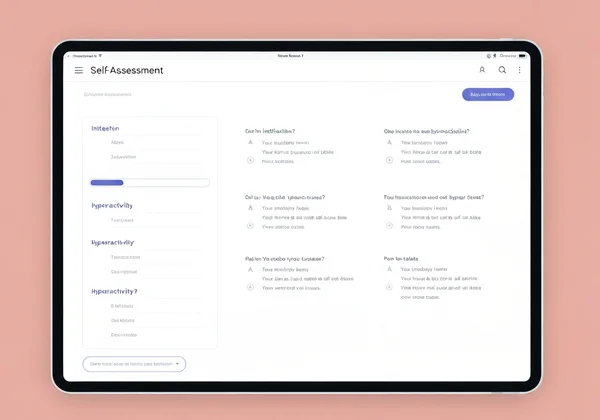
Most reputable online screeners are based on clinically recognized questionnaires. Doctors and psychologists use these as part of a much larger diagnostic process. They ask questions about common ADHD traits related to inattention, hyperactivity, and impulsivity.
Common Types of Free ADHD Screeners (e.g., ASRS)
You might encounter several types of free screeners, but one of the most common for adults is the Adult ADHD Self-Report Scale (ASRS). This tool was developed in partnership with the World Health Organization (WHO) and is respected for its ability to quickly screen for ADHD symptoms.
For children and teens, screeners are often based on rating scales like the Vanderbilt or Conners' scales, which gather feedback from parents and teachers. The goal of these tools is always the same: to provide a structured way to review behaviors and see if they align with the known patterns of ADHD.
Who Benefits from Initial Free Assessments?
Initial free assessments are most beneficial for two main groups of people:
- Adults with Self-Doubt: Imagine you've spent years feeling "lazy" or "disorganized," wondering why things that seem easy for others are so hard for you. A free screener can be incredibly validating. It helps organize your thoughts and confirms that your struggles are real and worth investigating further.
- Concerned Parents: Parents, if your child's endless energy or scattered focus has you worried, a screener can provide a useful baseline. Is this normal childhood behavior or something more? The results can help you decide whether to bring up your concerns with a pediatrician or a school counselor.
In both cases, a free assessment serves as an important first step, helping to turn vague worries into concrete data points.
Are Free ADHD Assessments Reliable? The Truth About Accuracy
Everyone wants to know: Can you really trust a free online test? Here's the real story. A well-designed free ADHD assessment can be reliable as a screening tool, but it is not a reliable diagnostic tool. There's a critical difference between the two.
A reliable screener will accurately flag potential symptoms that warrant further investigation. Its purpose is to signal, "Hey, there might be something here worth looking into more deeply." It’s not meant to give a definitive "yes" or "no" answer. The reliability of these tools depends entirely on their foundation and how they are presented.
Understanding Validation and Scientific Basis
The best online assessments are not just random quizzes. They are based on scientifically validated and widely used clinical instruments. For example, our own online ADHD assessment is aligned with the criteria outlined in the DSM-5 (The Diagnostic and Statistical Manual of Mental Disorders, 5th Edition), which is the standard classification used by mental health professionals.
When an online tool is transparent about its scientific basis (like using the ASRS), it carries more weight. This means the questions you're answering have been tested and shown to be effective at identifying potential ADHD traits in large populations.
The Difference Between Screening and Diagnosis
Get this right, and everything clicks: Screening flags issues. Diagnosis confirms them.
- Screening: A screening is a quick, broad look to see if you have certain risk factors or symptoms. It identifies individuals who should seek further evaluation. A free online test is a screening.
- Diagnosis: A diagnosis is a comprehensive medical process conducted by a qualified professional, such as a psychiatrist or psychologist. It involves a detailed clinical interview, a review of your personal and medical history, and often includes feedback from others. A diagnosis is the only way to officially confirm ADHD.
A free online screener can tell you that your symptoms are consistent with ADHD. Only a healthcare professional can tell you that you have ADHD.
Limitations of Free Online ADHD Screening Tools
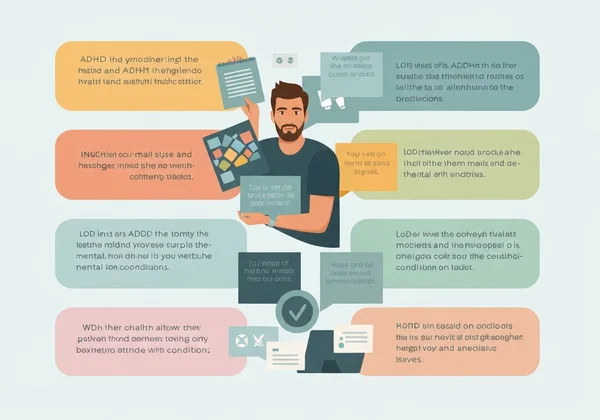
While free tools are a valuable starting point, it's crucial to be aware of their limitations. Relying on them for more than a preliminary check can lead to confusion and anxiety. They provide a glimpse, but they don't show you the full picture.
Why Free Tools Cannot Provide a Formal Diagnosis
A formal diagnosis is complex. No simple quiz can replicate it. Professionals look at factors free tools miss. For example:
- Co-occurring Conditions: Symptoms of anxiety, depression, or even trauma often overlap with ADHD. A professional can differentiate between these conditions, but a free tool cannot.
- Context: A clinician will ask about your life history, from childhood to the present. This helps them understand when symptoms started and how they impact your daily life.
- Severity and Impairment: ADHD is only diagnosed if symptoms significantly impair major life activities, like work, school, or relationships. A free quiz can't accurately measure this.
The Risk of Misinterpretation or Missed Nuances
A score at the end of a quiz is just a number. It lacks context and nuance. You might score highly, but the reasons could be complex. For example, are your focus issues due to ADHD, or are they a result of chronic stress or poor sleep? A free tool can’t tell the difference.
Without a pro's help, results get twisted. A 'borderline' score? You might ignore real issues. High score? Easy to panic without context.
What Free Assessments Don't Tell You (Personalized Insights)
The biggest thing a free assessment lacks is personalization. It can't tell you how your specific symptoms connect, what your unique strengths might be, or what challenges are most prominent for you.
This is where more advanced tools can bridge the gap. An AI-powered analysis can go beyond a simple score to provide personalized insights into your attention and focus patterns. This deeper understanding is a far more powerful tool when you decide to speak with a professional. To see what a more detailed report looks like, you can start your screening on our platform.
Beyond Free: When to Consider a Deeper Assessment
If you’ve taken a free screener and are left with more questions than answers, it’s a clear sign that it’s time to move to the next level. A free tool is a signpost, not the destination.
When Your Free Results Raise Red Flags
You should consider a deeper assessment if:
- The results from a free screener suggest you have a high number of ADHD-related symptoms.
- You strongly relate to the questions, regardless of the final score.
- Your symptoms are consistently causing problems at work, in school, or in your personal relationships.
- You simply want more clarity and a better understanding of how your mind works.
The Value of AI-Powered Personalized Insights
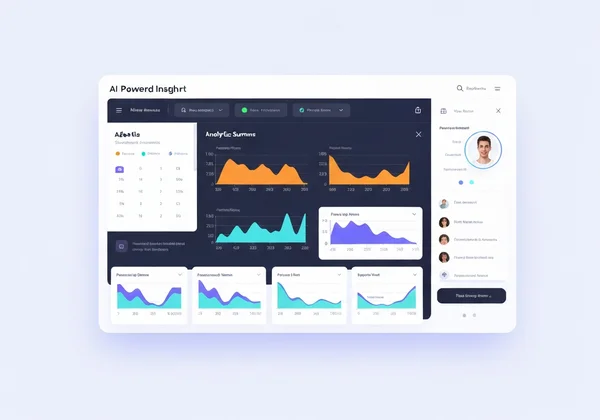
This is where technology can offer a significant advantage. While a standard free test gives you a score, an assessment enhanced with AI analysis can provide a narrative. It can identify patterns, connect different symptoms, and offer insights into your potential strengths and challenges.
An AI-driven report summarizes your experience. It's a detailed doc to reflect on. Or print it for your doctor. It makes that first chat way easier.
Preparing for a Professional ADHD Evaluation
If you decide to seek a formal diagnosis, your online assessment report is an excellent preparation tool. Here’s what you can do:
- Print Your Report: Bring the results from your online assessment, especially if it includes personalized insights.
- Write Down Examples: Think of specific examples from your life that illustrate the points in the report.
- List Your Questions: Prepare a list of questions to ask the doctor or psychologist.
Taking these steps shows that you have thoughtfully considered your situation and helps ensure your appointment is as effective as possible.
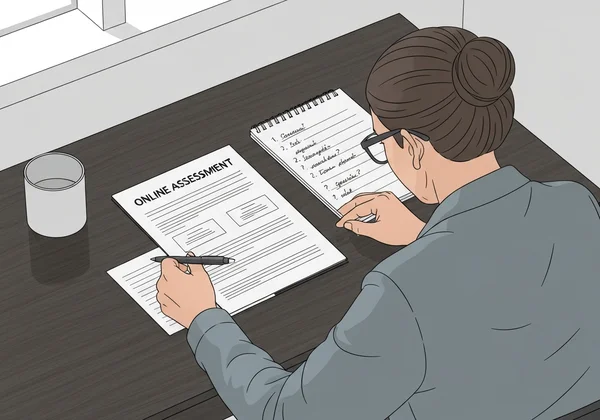
Your Next Steps to Clarity: Choosing the Right Assessment Path
Your journey to self-understanding starts with a single step. Free online ADHD assessments are a great way to validate your concerns, but they are just that—a start. They can point you in the right direction, but they can't guide you through the nuanced terrain of your own mind.
For true clarity, you need more than just a score. You need insights that connect the dots between your symptoms, daily challenges, and potential strengths.
If you are ready to move beyond a basic quiz and gain a deeper, more personalized understanding of your attention and focus, take the first step today. Our science-backed assessment, enhanced with optional AI-powered analysis, is designed to give you the comprehensive insights you need to move forward with confidence.
Frequently Asked Questions About Free Online ADHD Assessments
Are free online ADHD assessments accurate?
Well-designed free assessments can be accurate for screening. This means they are good at flagging who should seek a professional evaluation. However, they are not accurate for providing a formal diagnosis. Their reliability depends on being based on scientific tools like the ASRS.
Can a free online assessment diagnose ADHD?
No. A free online assessment cannot diagnose ADHD. It is a self-report screening tool, not a substitute for a comprehensive evaluation by a qualified healthcare professional. A formal diagnosis requires a clinical interview and a thorough review of your history.
When should I seek a professional ADHD assessment after an online screening?
You should consider seeking a professional assessment if your online screening results indicate a high likelihood of ADHD symptoms. You should also see a professional if your symptoms—regardless of the score—are causing significant challenges in your daily life. The online report can be an excellent starting point for that conversation. To get a detailed report, you can start your ADHD assessment on our platform.